The Knight is a fantasy novel by American writer Gene Wolfe and the first half of The Wizard Knight. It follows an American boy transported into a strange world built around myth, honor, danger, and transformation. The story mixes traditional knightly adventure with Wolfe’s layered approach to memory and identity. Readers expecting a simple medieval quest may find something far stranger. Wolfe uses familiar fantasy pieces while constantly questioning what those pieces mean. The result is an adventure that rewards readers who enjoy mystery beneath the action.
| Key fact | Details |
|---|---|
| Author | Gene Wolfe |
| Series | The Wizard Knight |
| Position | Book one |
| Original publication | 2004 |
| Genre | Fantasy |
| Main character | Able of the High Heart |
| Setting | A layered fantasy world centered on Mythgarthr |
| Major influences | Norse mythology, Arthurian romance, Christianity, medieval literature |
| Followed by | The Wizard |
| Best for | Readers who enjoy literary fantasy and mythic adventures |
Direct answer: The Knight tells the story of a teenage American boy who enters a magical world and receives an adult body. Calling himself Able, he seeks knighthood while learning what honor, courage, loyalty, and adulthood demand. The book combines adventure with deeper questions about identity and moral growth.
Key Takeaways
- Gene Wolfe presents a coming-of-age story inside an epic fantasy quest.
- Able appears physically grown while remaining emotionally young.
- The novel draws heavily from Norse mythology and medieval romance.
- Honor and knighthood matter more than simply carrying weapons or winning battles.
- Wolfe deliberately leaves some events unexplained or only partly remembered.
- The story continues directly in The Wizard.
- Readers who enjoy interpretive fantasy will get more from the novel than readers seeking straightforward worldbuilding.
What Is The Knight About?
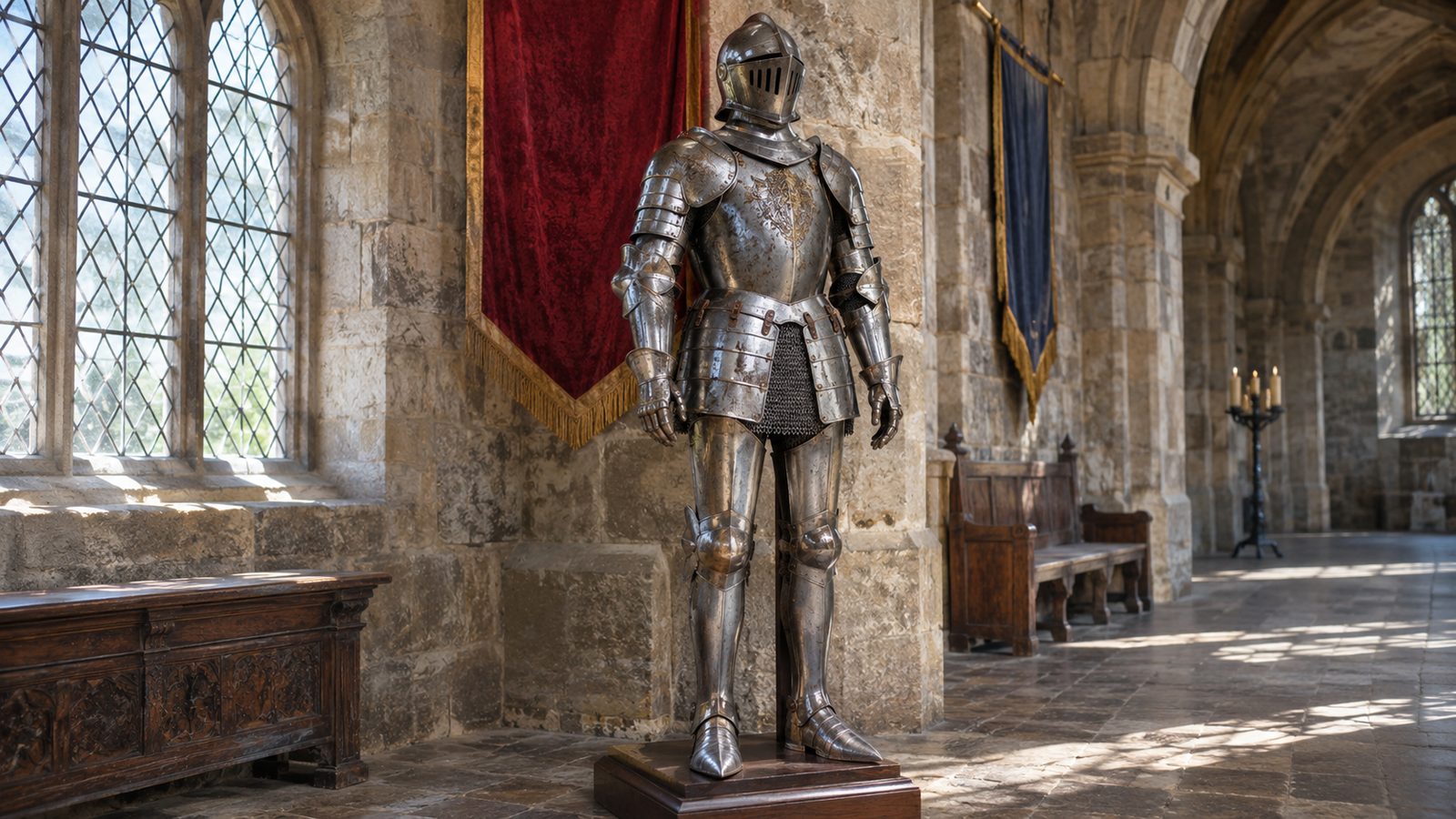
The story begins with a boy from modern America entering an unfamiliar world. He eventually receives the name Able of the High Heart and a powerful adult body. Yet his mind and emotional experience remain much closer to his original age. That contrast becomes central to nearly everything that follows. Able wants to become the kind of honorable hero represented by traditional knights. His journey therefore becomes both a physical quest and an education in responsibility. The fantasy world contains giants, supernatural beings, warriors, nobles, animals, and creatures drawn from several traditions. Its rules are not explained through long instructional passages. Readers learn about them as Able encounters people and makes mistakes.
Who Is Able of the High Heart?
Able is the narrator and central character of the story. He comes from our world but develops a new identity after reaching the fantasy setting. His new body gives him strength before he has gained adult judgment. That imbalance makes him unusual among fantasy heroes. He can behave bravely, impulsively, generously, stubbornly, or foolishly within a short period. Those contradictions are part of Wolfe’s larger interest in personal growth. Able also has a strong idea of what a knight should represent. He associates the role with courage, loyalty, truth, protection, and promises. The story repeatedly tests whether he can live according to those values.
Why Able’s Age Matters
Able’s physical transformation creates one of the novel’s most important tensions. Other characters see a powerful grown man rather than an inexperienced American teenager. Their expectations therefore exceed his emotional maturity. His situation turns the familiar wish for instant adulthood into a complicated problem. Strength gives him opportunities, but it does not provide wisdom. He must learn how consequences change when people treat his words seriously. This approach separates the book from simpler transformation fantasies. Growing larger does not make Able complete. His real development happens through choices, failures, relationships, and promises.
The World of Mythgarthr and Its Seven Levels
The setting is part of a larger universe containing multiple levels of existence. Mythgarthr provides the main earthly level where much of Able’s adventure occurs. Other realms contain beings whose powers and perspectives differ from ordinary humans. Wolfe does not explain this structure through a neat encyclopedia. The reader discovers it through dialogue, journeys, memories, and supernatural encounters. That method makes the world feel larger than the information currently available. Readers who enjoy unusual speculative settings may also like Writinglish’s Grogu timeline guide. It also examines a character whose age and experience do not follow normal human expectations. Both stories use unusual development to shape how audiences understand identity.
Mythology Behind the Story
Norse mythology has a major influence on the setting and naming. Arthurian romance also shapes the ideas surrounding quests, swords, loyalty, and knighthood. Christian imagery and moral questions appear alongside those older traditions. Wolfe does not simply retell one famous myth. Instead, he builds a new story from several bodies of traditional material. Readers familiar with medieval literature may recognize patterns without finding direct copies. That combination makes the world feel both familiar and uncertain. You may recognize a type of creature or heroic situation before understanding Wolfe’s version. The tension between recognition and uncertainty is part of the reading experience.
Honor Is More Complicated Than Heroism
Able wants to become a true knight, but the story keeps challenging his definition. Fighting ability alone cannot establish honor. Strength without judgment can create new problems instead of solving existing ones. Promises become especially important because Able often treats his word seriously. He learns that making a commitment can limit future choices. A heroic identity therefore depends on discipline as much as courage. The novel also asks whether people become better by copying an ideal. Able begins with romantic expectations about knighthood. Experience slowly forces him to decide which ideals deserve loyalty.
Why the Narration Can Feel Unusual
The book uses a first-person account framed as Able telling his story. That perspective means readers receive events through his memory and interpretation. Some explanations arrive late, while other moments remain incomplete. Wolfe often trusted readers to notice gaps and draw connections themselves. Publishers Weekly praised the novel while also noting that underlying parts remain deliberately obscure. That combination creates much of the book’s distinctive character. Readers should not expect every mystery to receive immediate clarification. Confusion can sometimes reflect Able’s own limited understanding. Paying attention to repeated names, promises, relationships, and unusual details usually helps.
Is the Book Difficult to Read?
The prose is generally more approachable than Wolfe’s reputation might suggest. The difficulty comes less from individual sentences than from missing context. Readers often have to remember earlier details and reconsider their assumptions. That means speed-reading can weaken the experience. A slower pace gives the story’s patterns more room to emerge. You do not need scholarly knowledge of mythology to follow the central adventure. A reader who likes science-fiction or fantasy adaptations may also enjoy Writinglish’s Oakes Fegley profile. His recent work includes Dark Matter, another story involving unfamiliar realities and shifting perspectives. The connection is thematic rather than narrative.
Major Themes in the Novel
Growing Into Adulthood
Able receives adulthood physically before earning it emotionally. His journey reverses the normal process of growing older. Responsibility arrives before experience can prepare him. The situation lets Wolfe explore what adulthood means beyond appearance. Being treated as powerful forces Able to confront consequences quickly. Maturity develops through responsibility rather than age alone.
Identity and Self-Invention
Able enters the new world without his ordinary place in society. He adopts a name and begins building a heroic identity. That freedom is exciting, but it also creates pressure. Identity becomes something he performs and gradually understands. His chosen ideals affect how others respond to him. Eventually, those choices matter more than the body magic gave him.
Loyalty and Promises
Promises repeatedly shape Able’s decisions and relationships. A pledge can create responsibilities long after the original moment passes. This gives spoken commitments unusual weight. The theme connects personal honor with practical behavior. Wolfe rarely treats virtue as an abstract idea alone. Characters reveal their values through what they keep, abandon, or reinterpret.
Stories and Heroic Traditions
The novel knows that readers already understand the image of a knight. Swords, quests, dragons, noble service, and magical beings arrive with centuries of associations. Wolfe uses those expectations without accepting them automatically. Able wants the heroic story before fully understanding its cost. The novel then tests that dream against complicated situations. Traditional fantasy becomes a way to examine why heroic ideals remain attractive.
The Sword Eterne and the Meaning of the Quest
Able’s search for the sword Eterne gives the adventure a recognizable heroic objective. A legendary weapon naturally suggests power, status, and destiny. Yet possessing a sword cannot automatically make someone honorable. The quest matters because of what Able becomes while pursuing it. Obstacles expose weaknesses that physical strength cannot solve. His goal therefore functions as both destination and moral test. This distinction helps explain why the book contains more than action. Wolfe uses heroic objects to ask what heroes deserve. Readers interested in keeping large fantasy collections can also see Writinglish’s small-space bookshelf guide.
Is The Knight Part of a Series?
Yes, Wolfe designed this novel as the first half of a two-book story. The second volume is The Wizard, which continues Able’s journey. Readers should therefore expect unresolved material at the first book’s ending. This structure matters before starting the series. The first volume provides substantial adventures, but it does not close every major thread. Reading both books gives a clearer view of Wolfe’s larger design. The combined work is commonly called The Wizard Knight. Macmillan describes the first volume as the opening half of the larger adventure. That description accurately sets expectations for new readers.
Do You Need to Know Norse Mythology First?
No previous mythology study is required. The main story remains understandable through Able’s experiences and relationships. Background knowledge can reveal additional connections, but it is not an entrance requirement. Readers familiar with Norse traditions may recognize names, structures, and supernatural patterns earlier. Arthurian literature offers another useful reference point. Neither background is necessary for following the emotional core. Approaching the novel with curiosity works better than researching every reference beforehand. Unknown terms often gain meaning through context. You can investigate specific references later if they interest you.
Who Will Enjoy This Book Most?
The novel suits readers who like fantasy with hidden structure beneath its surface adventure. It also suits readers comfortable with unanswered questions. Wolfe expects active participation instead of explaining every mystery immediately. Fans of medieval romance, mythology, literary fantasy, and unusual narrators have several reasons to try it. Readers seeking tightly explained magic systems may find its ambiguity frustrating. The distinction largely depends on preferred reading style. Writinglish readers can browse more entertainment features after finishing this guide. The section covers fantasy, science fiction, movies, television, and popular culture. Those topics provide useful next reads for genre fans.
Is It Worth Reading Today?
The novel remains distinctive because it combines recognizable fantasy traditions with an unusual narrative strategy. Its central question about becoming worthy of an ideal has not aged much. The mythology gives that question a larger stage. New readers should expect discovery rather than constant explanation. Some events become clearer only after later chapters or the second volume. That design can be rewarding for readers who enjoy rereading. The strongest reason to try the book is its unusual combination of simplicity and depth. The surface contains knights, quests, monsters, and magical worlds. Underneath sits a sustained examination of maturity, identity, loyalty, and honor.
Frequently Asked Questions
What is The Knight by Gene Wolfe about?
It follows an American boy who enters a magical world and receives the body of an adult man. He calls himself Able and tries to become an honorable knight. His journey combines supernatural adventure with a coming-of-age story.
Is Gene Wolfe’s novel suitable for beginners?
Readers new to Wolfe can start here because the prose is generally accessible. The storytelling still contains mysteries and deliberate gaps. Patience matters more than previous experience with his work.
Is it a standalone novel?
No, the story continues directly in The Wizard. Both books together form The Wizard Knight. Reading only the first volume leaves several developments unresolved.
Is the story based on Norse mythology?
Norse mythology strongly influences its names, worlds, and supernatural structure. Arthurian and Christian traditions also contribute important ideas. Wolfe combines these influences rather than adapting one myth directly.
Why is Able already an adult?
Magic changes his body soon after he reaches the fantasy world. His emotional development does not instantly match his physical appearance. That difference drives many of the novel’s conflicts and themes.
Does the book have a complicated ending?
The ending leaves important threads open because the story continues in the second volume. Some readers may find the transition abrupt. Reading The Wizard provides the intended continuation.
A Fantasy Quest About Becoming Worthy
Gene Wolfe takes the familiar dream of becoming a heroic knight and makes it more demanding. Able gains strength quickly, but character develops much more slowly. Every promise and relationship tests the person he wants to become. That approach gives the story lasting value beyond its adventure scenes. Readers can enjoy giants, swords, mythical beings, and quests while considering deeper questions. The book asks whether heroic identity comes from power, conduct, belief, or all three. For readers who enjoy fantasy that leaves room for interpretation, Wolfe’s novel remains a compelling choice. Start with the first volume while planning to continue into The Wizard. The complete two-book journey gives Able’s unusual transformation its fullest context. —