
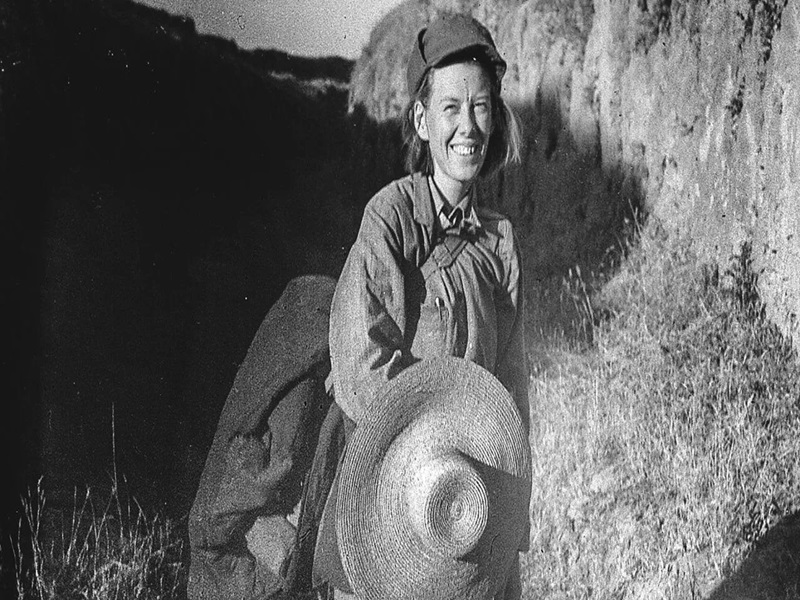
Isabel Crook died on August 20, 2023, in Beijing at the age of 107. She was born on December 15, 1915, in Chengdu, China, to Canadian missionary parents, and spent most of her long life in China as an anthropologist and a pioneering teacher of English. She is often described as one of the oldest and longest-serving foreign educators in the country’s history.
Her age is only part of what makes her story remarkable. Crook did early fieldwork in rural Sichuan, documented village life during China’s land reform, helped build one of the country’s leading foreign language universities, endured detention during the Cultural Revolution, and in 2019 received China’s highest honor for foreigners. This profile corrects several common errors about her life and sets out the key facts.
Isabel Crook: Quick Facts
| Detail | Information |
|---|---|
| Full name | Isabel Crook (née Brown) |
| Born | December 15, 1915, Chengdu, Sichuan, China |
| Died | August 20, 2023, Beijing, China |
| Age at death | 107 years |
| Nationality | Canadian |
| Education | University of Toronto |
| Known for | Anthropology and English teaching in China |
| Spouse | David Crook (died 2000) |
| Children | Three sons: Carl, Michael, and Paul |
| Notable works | Revolution in a Chinese Village: Ten Mile Inn; Prosperity’s Predicament |
| Major honor | China’s Friendship Medal (2019) |
| Zodiac sign | Sagittarius |
| Net worth | Not publicly known |
How Old Was Isabel Crook?
Isabel Crook was 107 years old when she died in 2023. Some articles have given her birth year as 1917 or her birthplace as Toronto, but both are incorrect: she was born in Chengdu in 1915, where her parents worked as missionaries and educators. Many pages written in 2023 described her as “currently 107,” which was accurate only during the last months of her life.
Isabel Crook’s age through key events
| Year | Age | Event |
|---|---|---|
| 1915 | 0 | Born in Chengdu, Sichuan |
| 1940s | Mid-20s | Anthropological fieldwork in rural Sichuan |
| 1942 | 26 | Married David Crook in England |
| 1947 | 31 | Returned to China to study land reform in a Hebei village |
| 1948 | 32 | Began teaching at a school that grew into Beijing Foreign Studies University |
| 2019 | 103 | Awarded China’s Friendship Medal |
| 2023 | 107 | Died in Beijing |
Early Life in China and Canada
Crook grew up in Chengdu, where her parents were connected with mission education. That childhood gave her fluency in Chinese language and culture that most foreigners of her generation never acquired. She went to Canada for her university education, studying at the University of Toronto, and then returned to China.
Fieldwork in Sichuan
In the early 1940s, during the war with Japan, she carried out anthropological research in Xinglongchang, a rural market town in Sichuan. She recorded detailed notes on families, local economy, and social customs. Decades later those notes became the basis of Prosperity’s Predicament: Identity, Reform, and Resistance in Rural Wartime China, published in 2013 with co-authors Christina Gilmartin and Yu Xiji. The book is valued by historians because few field records of village life from that period survive.
Marriage to David Crook
Isabel married David Crook, a British journalist and committed communist, in 1942 in England. The couple shared a strong interest in China’s social transformation, and in 1947 they traveled to a Communist-held area in Hebei province to observe land reform in the village of Shilidian, known in English as Ten Mile Inn.
Their observations produced two books: Revolution in a Chinese Village: Ten Mile Inn and Mass Movement in a Chinese Village. Together they remain important first-hand accounts of rural revolution in northern China.
Building English Teaching in China
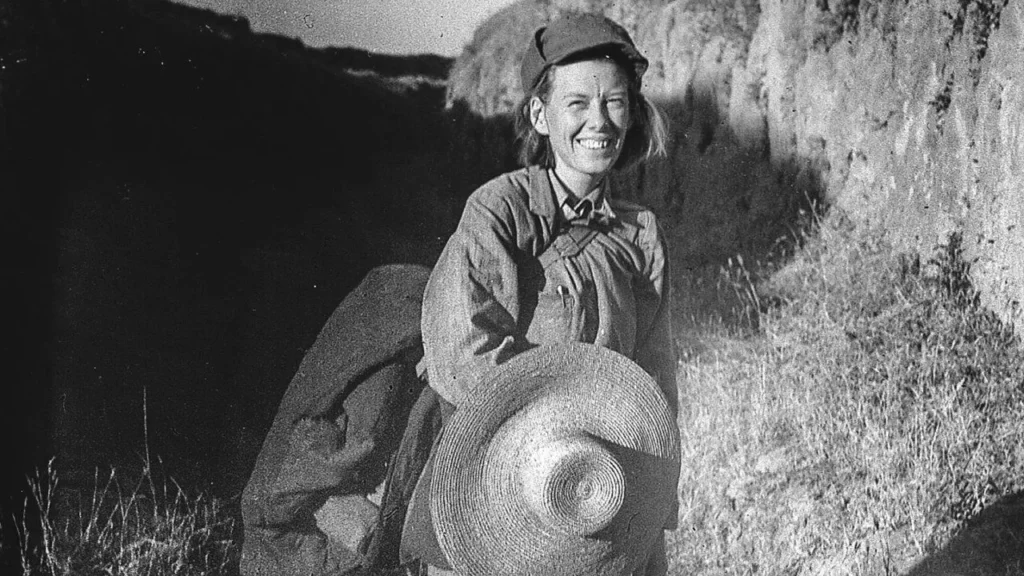
In 1948 the Crooks were invited to teach at a newly established foreign affairs school. The institution later became Beijing Foreign Studies University, one of China’s leading universities for language and international studies. Isabel spent decades there, helping develop English courses and teaching materials and training students who went on to careers in diplomacy, translation, and education.
Her influence came from long service rather than a single achievement. Many of her former students and colleagues described her as rigorous, modest, and deeply committed to practical, communicative language learning.
Hardship During the Cultural Revolution
Like many foreigners and intellectuals in China, the Crooks suffered during the Cultural Revolution. David Crook was imprisoned for about five years, and Isabel was held under detention at the university for around three years. Both were later released and rehabilitated, and they chose to remain in China and continue teaching. That decision, after such treatment, is a big part of why their story is widely respected in China.
Later Life and Recognition
Isabel continued to be associated with Beijing Foreign Studies University well into old age, attending events and supporting education projects. Her husband died in 2000.
In 2019, at the age of 103, she received the Friendship Medal, the highest honor the People’s Republic of China awards to foreign nationals. The award recognized more than seven decades of contribution to education and to understanding between China and the wider world.
Her Books and Where to Read Them
If you want to learn about Isabel Crook in her own words, her published work is the best place to start. Each book reflects a different stage of her life:
- Revolution in a Chinese Village: Ten Mile Inn (with David Crook) describes the village of Shilidian and the social tensions that preceded land reform.
- Mass Movement in a Chinese Village (with David Crook) follows the same village through the reform campaign itself and its effects on local families.
- Prosperity’s Predicament (with Christina Gilmartin and Yu Xiji) draws on her 1940s fieldwork notes from Xinglongchang to show how ordinary people in wartime Sichuan lived, worked, and dealt with government reform efforts.
These titles are usually found in university libraries and academic bookstores rather than general retailers. Readers interested in modern Chinese history, rural society, or the history of anthropology will find them the most useful sources on her work, far more reliable than short online biographies.
Common Errors About Isabel Crook
Because many quick profiles copy each other, several mistakes circulate widely. The most frequent are a 1917 birth year, a Toronto birthplace, the claim that she was still alive after 2023, and invented personal details such as height. When researching her, rely on obituaries from established news organizations and university sources.
What Made Her Story Stand Out
- Longevity: she lived through the end of imperial-era politics, the war with Japan, the civil war, the founding of the People’s Republic, the Cultural Revolution, and China’s reform era.
- Scholarship: her field notes from the 1940s are rare primary sources for historians.
- Teaching: she helped shape English education at one of China’s most influential universities for generations of students.
- Commitment: she remained in China for most of her adult life, even after detention.
For another profile of a figure whose career spanned decades, see Aretha Franklin’s net worth and musical legacy.
Frequently Asked Questions
How old was Isabel Crook when she died?
Isabel Crook was 107 years old when she died in Beijing on August 20, 2023. She was born on December 15, 1915.
Where was Isabel Crook born?
She was born in Chengdu, Sichuan, China, to Canadian missionary parents. She later studied at the University of Toronto before returning to China.
What is Isabel Crook known for?
She is known for anthropological fieldwork in rural China, her co-authored studies of land reform in the village of Ten Mile Inn, and decades of English teaching at what became Beijing Foreign Studies University.
Who was Isabel Crook’s husband?
Her husband was David Crook, a British journalist and educator. They married in 1942, worked together in China, and had three sons, Carl, Michael, and Paul.
What award did Isabel Crook receive?
In 2019 she received China’s Friendship Medal, the highest honor the country gives to foreign nationals, in recognition of her contributions to education and cultural exchange.
What was Isabel Crook’s net worth?
Her net worth was never publicly disclosed. She lived and worked as an academic in China, and there are no reliable figures on her personal wealth.
Final Thoughts on Isabel Crook’s Age and Legacy
Isabel Crook lived to 107, but her age matters mostly because of how much history it covered and how much of it she spent teaching. If you remember one thing about her, make it this: she was born in China in 1915, devoted more than seven decades to education there, and left behind both generations of students and rare records of rural Chinese life.
If you enjoy profiles like this, read our piece on Stewart Copeland or explore more stories in our Entertainment category.