
Starting a farm requires thoughtful planning about the basics needed for daily operations. Your specific requirements will depend on the size of your property, the types of crops or livestock you plan to raise, and your budget constraints. Small farms often need different equipment than large commercial operations, so identifying your specific needs first prevents unnecessary purchases. Consulting with neighboring farmers can provide valuable insights into what equipment is truly essential for your region and farming style. Taking time to assess your farm’s unique requirements helps create a solid foundation that supports efficient and productive agricultural activities.
Personal Protective Equipment for Farm Safety
Safety gear represents one of the most important investments for any farmer regardless of experience level. Proper head protection, including hard hats for construction work and wide-brimmed hats for sun protection, prevents injuries and reduces exposure to harmful UV rays. Eye protection in the form of safety glasses or goggles shields against flying debris when operating machinery or working with chemicals. Ear protection becomes essential when working around loud equipment, as prolonged exposure to high noise levels can cause permanent hearing damage.
Leather Gloves: Essential Protection for Daily Farm Tasks
Leather gloves provide critical hand protection for countless farm tasks that could otherwise lead to injuries. Premium cowhide leather gloves offer excellent durability for general farm work, while specialized varieties like goatskin provide enhanced dexterity for tasks requiring precise movements. Insulated leather gloves become invaluable during cold weather operations, preventing frostbite while maintaining grip functionality on tools and equipment. Leather gloves with extended cuffs offer additional wrist and forearm protection when handling thorny plants, working with livestock, or dealing with sharp materials.
Farm supply stores, like Buyers Safety, carry extensive selections of work gloves, while specialty agricultural suppliers provide task-specific options with features tailored to particular farming activities.
Weather-Appropriate Workwear for Year-Round Productivity
Different farming seasons demand specialized clothing to maintain comfort and productivity in varying conditions. Breathable, moisture-wicking fabrics help regulate body temperature during hot summer fieldwork, reducing the risk of heat-related illnesses. Waterproof outerwear becomes essential during rainy seasons, allowing farm work to continue despite wet conditions that would otherwise halt operations. Insulated coveralls and layering systems prove invaluable during winter months, enabling comfortable work in cold environments that would otherwise be prohibitive. Farm-focused clothing retailers offer durable options specifically designed for agricultural demands, while many agricultural cooperatives provide member discounts on workwear through partnership programs.
Essential Hand Tools for Daily Farm Tasks
Basic hand tools form the foundation of daily farm maintenance and should be acquired before larger equipment investments. Quality shovels with fiberglass handles reduce operator fatigue during extended use and resist damage from moisture exposure better than wooden alternatives. Pruning tools including loppers, hand pruners, and pruning saws enable effective management of trees, shrubs, and other vegetation across the property. Post hole diggers, both manual and powered versions, facilitate fence construction and repairs that occur throughout the farming year. Agricultural hardware stores and local farm cooperatives typically offer comprehensive selections of hand tools with staff who can provide guidance on selecting appropriate options for specific soil types and applications.
Tractors: The Versatile Workhorses of Farm Operations
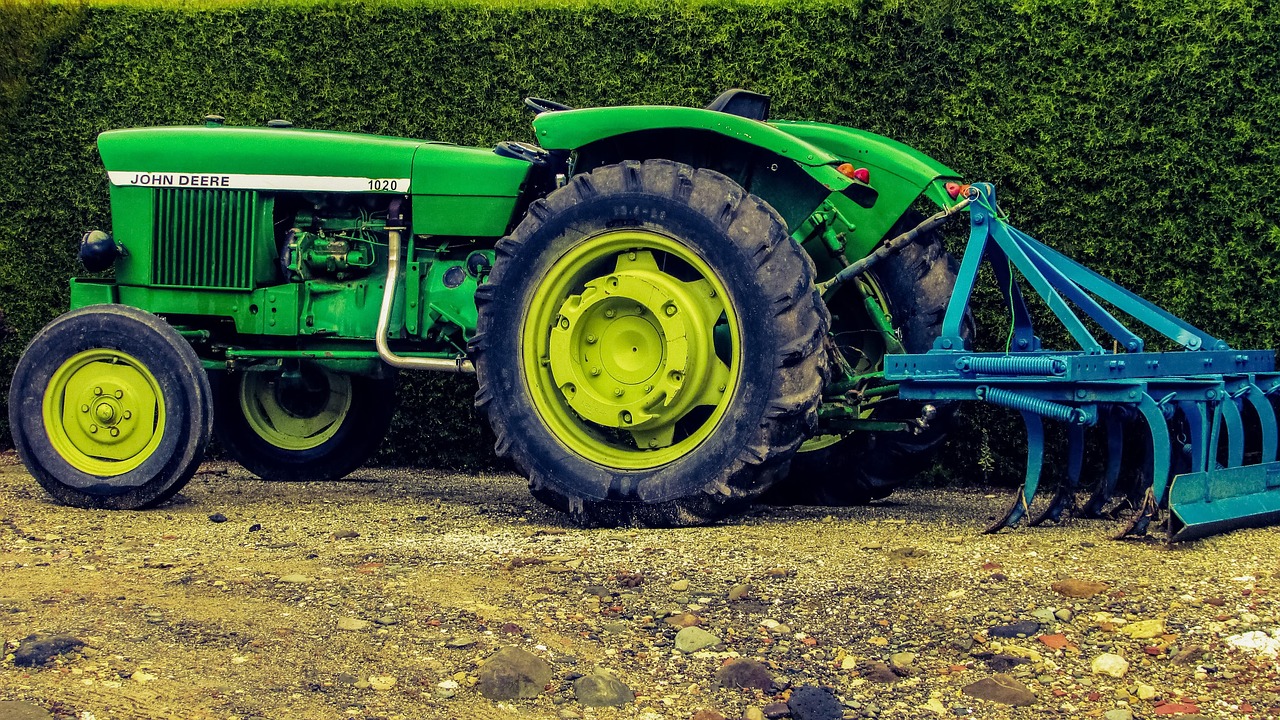
Tractors serve as multipurpose machines that dramatically increase efficiency across numerous farm tasks. Compact utility tractors (20-45 horsepower) offer excellent versatility for small to medium operations, balancing power with maneuverability in tight spaces. Tractor implements such as front-end loaders transform these machines into effective material handlers for moving soil, compost, hay bales, and other heavy items. Power take-off (PTO) systems expand tractor functionality by powering additional implements through mechanical transfer of engine power.
Mowers: Maintaining Fields and Managing Vegetation
Different mowing equipment addresses various vegetation management needs across farm properties. Rotary mowers (bush hogs) handle tall grasses and light brush in fields and along fence lines, preventing encroachment of unwanted vegetation. Finish mowers produce more manicured results for areas where appearance matters, such as farm entrances or areas visible to customers or visitors. Flail mowers excel at chopping vegetation into fine pieces that decompose quickly, reducing the need for additional cleanup after mowing operations.
Agricultural equipment dealerships, like Lilly Kubota, offer mowing equipment, while some companies provide equipment sharing programs in some regions where members can access mowers without individual ownership.
Crop-Specific Equipment Considerations
Different agricultural pursuits require specialized equipment designed for particular crops or production methods. Row crop farmers need planters and cultivators specifically designed for their preferred row spacing and soil conditions. Orchard growers benefit from specialized sprayers designed to direct applications to tree foliage while minimizing drift and waste. Specialty harvesters for berries, vegetables, or other crops dramatically reduce harvest labor requirements when production scales increase.
Livestock Handling Equipment for Animal Safety
Proper livestock equipment promotes both animal welfare and handler safety during routine procedures. Sturdy chutes and headgates immobilize animals safely during health checks, allowing for proper examination while reducing stress on both the animal and handler. Proper feeding equipment, including hay feeders designed to minimize waste, improves feed efficiency and reduces unnecessary expenses. Electric fencing systems with solar chargers provide flexible containment options that can be reconfigured as grazing rotations or management practices change.
Maintenance Tools to Extend Equipment Lifespan
Regular maintenance extends equipment lifespan and reduces costly emergency repairs that disrupt farm operations. Basic mechanical tools including socket sets, wrenches, and screwdrivers allow for routine maintenance tasks and minor repairs without dealer assistance. Pressure washers remove accumulated dirt and debris from equipment, preventing premature wear and making inspection processes more effective.
Grease guns and appropriate lubricants help maintain proper function of moving parts across all farm machinery. Auto parts retailers carry many required maintenance supplies, while specialized agricultural equipment dealers provide implements-specific parts and technical guidance for more complex maintenance procedures.
Beginning your farming journey requires thoughtful equipment selection that balances immediate needs with long-term goals. Starting with quality protective gear protects your most valuable asset—yourself—while appropriate tools and machinery increase your efficiency and productivity. Remember that successful farmers typically build their equipment collection gradually, prioritizing versatile items that serve multiple purposes.
Apart from that, if you are interested to know about “Guide About 8 Amazing Things To Do While Living In Kerala” then visit our “Business” category.