
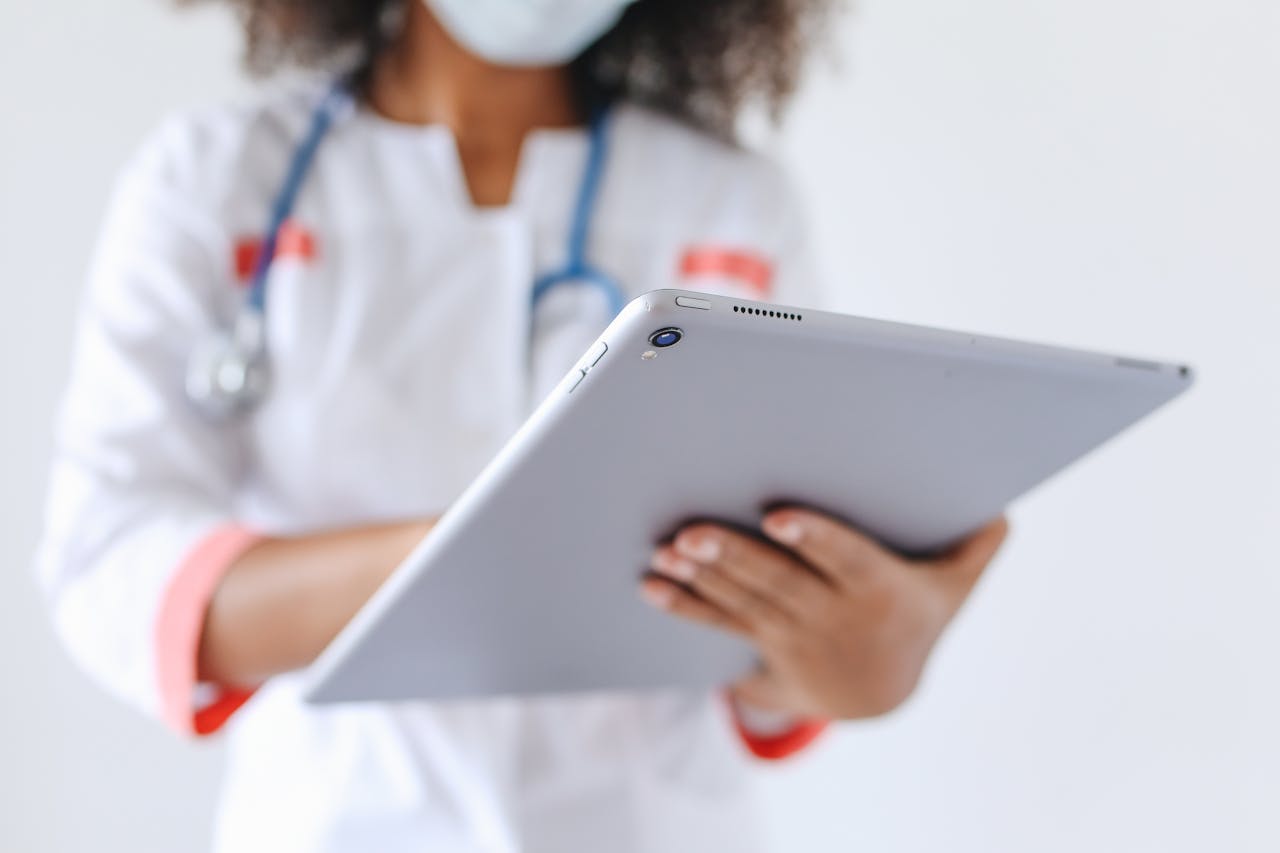
Patient safety is a key focus in healthcare, with continuous efforts to minimize risks and improve health outcomes. Modern technology has led to effective tools that address critical safety challenges in medical environments. This article explores how various solutions, including EHR systems and name-matching technology, contribute to safer healthcare settings.
Medication Reconciliation Tools to Reduce Errors
Tools for medication reconciliation play a pivotal role in identifying and addressing discrepancies in prescriptions and patient medications. They help track changes to a patient’s medication regimen during hospital admissions, transfers, and discharges. This can prevent adverse drug events, often caused by miscommunication or lack of clarity in prescriptions. By enabling accurate comparisons of a patient’s medications across different stages of care, these tools help deliver safer and more consistent treatment. Overall, they enhance clinical decision-making by offering improved transparency and reducing the risk of overlooked information.
Name-Matching Technology for Accurate Patient Identification
Accurate patient identification is critical to ensure that care services are provided to the right individuals. Name-matching technology, available through companies like NetOwl, uses advanced algorithms to detect and resolve errors in patient records, such as duplicates or misfiled information. This innovation helps prevent situations where patients with similar names receive the wrong treatment or medication. It also reduces documentation errors that can affect diagnoses and follow-up care. By improving the reliability of patient records, name-matching systems, offered by companies specializing in healthcare data management, play an essential role in enhancing safety standards in healthcare.
Infection Surveillance Systems for Disease Control
Healthcare-associated infections pose a major challenge to patient safety, leading to extended hospital stays and additional treatments. Infection surveillance systems monitor trends and detect potential outbreaks in healthcare facilities by analyzing data from patient records, lab results, and other sources. These systems enable early intervention by alerting medical teams to increase infection rates or emerging clusters. By preventing the spread of infections and identifying areas for targeted safety measures, this technology significantly enhances the quality of care. Infection surveillance solutions contribute to healthier, safer healthcare environments for both patients and staff.
Unification of EHR and Health Systems with Expert Consultants
A unified EHR system is key to streamlining patient management and improving healthcare outcomes. With the right EHR and health IT consultants, healthcare organizations can integrate systems to provide seamless access to critical patient data like medical history, allergies, and medications. Expert consultants from companies like MedTech Solutions can help eliminate inefficiencies, reduce errors, and improve communication across departments and providers. Organizations can find such expertise through dedicated health IT firms, professional healthcare consulting services, or specialized EHR vendors. By aligning EHR systems with operational needs, these professionals help create smoother workflows, better decision-making, and a safer, more connected healthcare environment.
Clinical Decision Support Systems to Guide Treatment Plans
Clinical decision support systems are designed to assist healthcare providers in making evidence-based decisions. These platforms integrate data like patient records and research to provide recommendations for diagnoses, testing, and treatment plans. They reduce the likelihood of human error and align care with the best practices established by the latest medical research. These systems alert physicians to potential risks, such as harmful drug interactions or contraindications, that might not be immediately evident. By delivering actionable insights, clinical decision support systems add an additional layer of safety to patient care.
Fall Prevention Technology in Healthcare Facilities
Falls remain one of the leading causes of injuries in healthcare settings, especially among elderly patients. Fall prevention technology incorporates motion sensors, bed alarms, and wearable tracking devices to monitor patients’ movements in real-time. These systems can notify staff when a patient is at risk of falling, allowing timely intervention. By proactively addressing fall risks, healthcare teams can create safer environments and reduce injury rates. Fall prevention tools are a testament to how targeted approaches can make a tangible difference in patient safety outcomes.
Innovations in healthcare technology continue to evolve, targeting key areas where safety risks commonly arise. From EHR solutions and name-matching technology to infection surveillance systems, medication reconciliation tools, and fall prevention technology, each solution addresses unique challenges in its own domain. Implementing these tools fosters a safer, more effective healthcare environment, ensuring patients receive the highest standard of care.
Apart from that, if you are interested to know about “Hyperbaric Oxygen Therapy” then visit our “Health” category.