
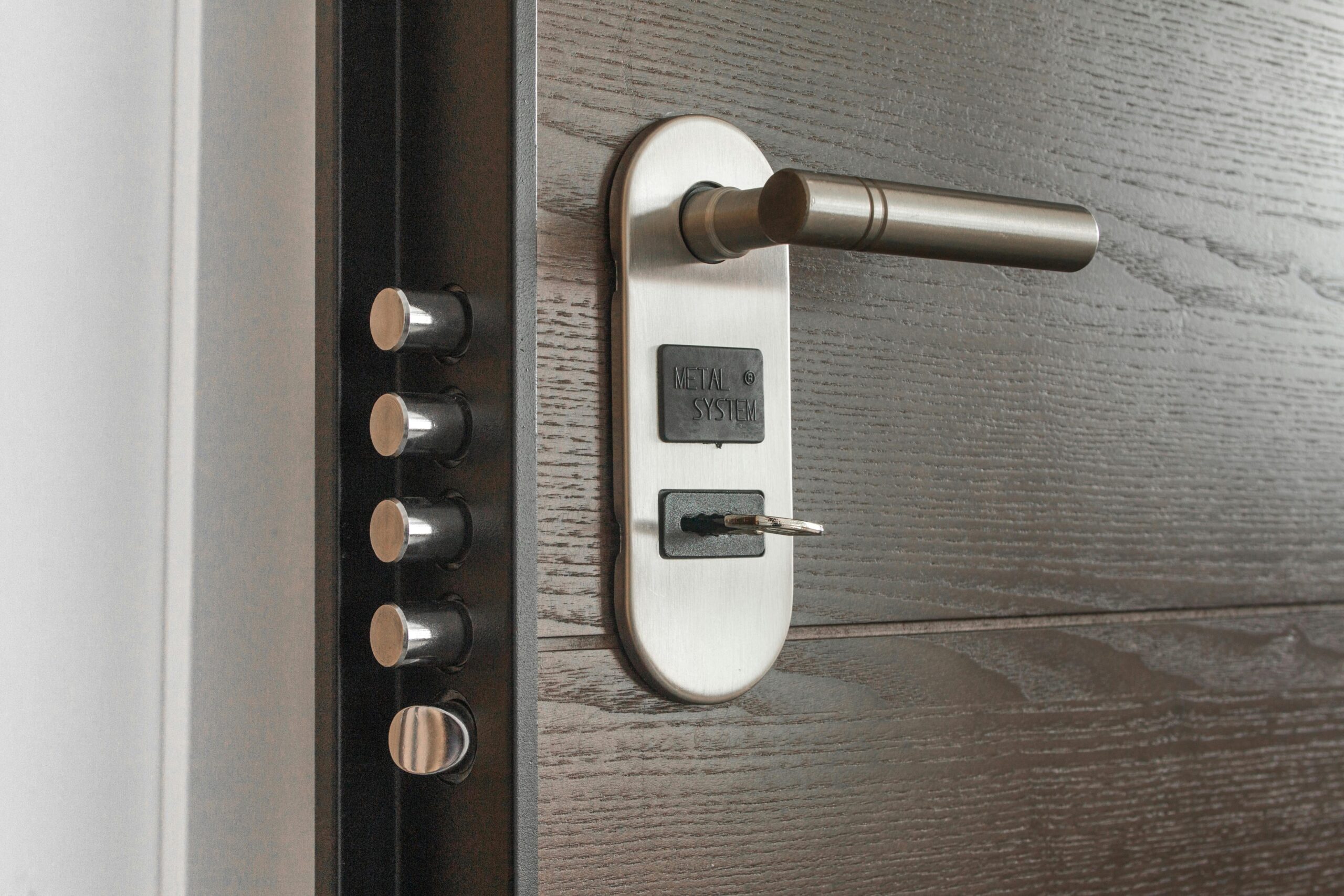
In today’s ever-evolving business landscape, ensuring the physical security of your enterprise is more important than ever. As technology advances and threats become more sophisticated, businesses must adopt comprehensive security measures to safeguard their assets, employees, and sensitive information. Whether you operate a small retail store or manage a large corporate office, having robust physical security features in place is essential for protecting what matters most. In this post, we’ll explore ten must-have physical security features that every business should consider implementing to enhance safety and peace of mind.
Access Control Systems
Access control systems are a cornerstone of any effective physical security strategy. By regulating who can enter your premises and when these systems help prevent unauthorized access while providing valuable data on employee movements. Modern access control solutions often use keycards, biometrics, or mobile credentials which not only enhance security but also increase convenience for authorized personnel.
Surveillance Cameras
Installing surveillance cameras throughout your business premises serves as both a deterrent to potential intruders and a tool for investigation if an incident occurs. High-definition cameras equipped with night vision capabilities ensure clear footage around the clock. Additionally, integrating AI-powered analytics can alert security personnel to unusual activities in real time, allowing for swift responses.
Intrusion Detection Systems
An intrusion detection system (IDS) is critical for identifying unauthorized entries into your building or restricted areas within it. IDS can range from simple motion sensors to advanced network-based detection technologies that monitor activity across various points of entry. When triggered, these systems send alerts to designated personnel or directly to local authorities.
Security Lighting
Effective lighting is an often overlooked yet vital component of physical security. Installing bright outdoor lights around entrances and parking areas not only deters criminal activity but also enhances the visibility of surveillance camera footage at night. Motion-sensor lights can conserve energy by activating only when movement is detected in their vicinity.
Physical Barriers
Physical barriers such as fences, gates, bollards, and turnstiles provide the first line of defense against unauthorized access by making it physically challenging for intruders to penetrate your property’s perimeter. These barriers should be complemented with signage that clearly marks restricted areas and warns trespassers of potential consequences.
Alarm Systems
Alarm systems typically include a variety of sensors that detect movements, glass breaks, or any other unusual happenings within the premises. When triggered, an alarm system can sound a loud siren to deter intruders, send notifications to security teams, and even contact law enforcement directly.
Visitor Management System
Implementing a visitor management system (VMS) is essential for efficiently tracking and managing individuals who enter your premises. A modern VMS streamlines the check-in process by utilizing digital sign-in methods, such as tablets or kiosks, reducing the need for cumbersome paper logs. These systems can issue temporary identification badges, providing a clear visual indicator of authorized visitors.
Emergency Communication Systems
Emergency communication systems are vital for ensuring the safety and well-being of employees and visitors during crises. These systems allow for swift and effective dissemination of critical information, minimizing confusion and facilitating orderly evacuations or lockdowns. Modern emergency communication systems include a combination of public address systems, text alerts, email notifications, and digital signage.
Secure IT Infrastructure Rooms
Secure IT infrastructure rooms are designed to safeguard critical hardware and systems, such as servers, routers, and other essential networking equipment. These rooms should be constructed with sturdy, fire-resistant materials and equipped with climate control systems to prevent overheating and humidity that could damage sensitive equipment. Access to these rooms must be tightly controlled, using advanced security measures such as biometric scanners or key card systems to ensure that only authorized personnel can enter.
Regular Security Audits and Training Programs
Regular audits help assess the strength of existing systems, uncover any weaknesses, and inform necessary upgrades or improvements. Alongside audits, implementing ongoing training programs for employees is essential. Educating staff about security protocols and emergency procedures not only empowers them to react swiftly during incidents but also fosters a culture of vigilance and safety within your organization.
Incorporating these ten must-have physical security features into your business strategy is crucial for maintaining a safe and secure environment. By leveraging advanced technologies and implementing thorough security measures, you can effectively safeguard your assets, employees, and sensitive information. A company like JPM Lock & Security can provide more information on implementing security measures in your business. With a proactive approach to physical security, you can ensure peace of mind and focus on what truly matters — growing your business in a secure and protected setting.
Apart from this, if you want to read an article “Unleash Your Potential: Transform Your Trading with These Apps,” then visit our business category.